Flexible heaters are an essential component in various industries, delivering efficient heating solutions for applications that require uniform thermal distribution. Whether you’re considering thermofoil heaters, mica thermofoil heaters, or polymide thermofoil heaters, understanding the installation process is crucial to achieving optimal performance. This article dives deep into flexible heater installation tips to ensure you get it right the first time.
Understanding Flexible Heaters: An Overview
Flexible heaters come in several types, including thermofoil and mica options. Each variant has its unique properties and applications.
What Are Thermofoil Heaters?
Thermofoil heaters are made of thin, flexible materials that offer excellent thermal conductivity. They are often used in applications where space is limited, such as inside machinery or medical devices. These heaters can reach temperatures ranging from 60°C to 200°C, making them versatile for various industrial needs.
Exploring Mica Thermofoil Heaters
Mica thermofoil heaters utilize mica as a dielectric material, providing stability and resistance to moisture and chemicals. Their lightweight design allows for easy integration into complex systems while ensuring consistent temperature control. Applications include aerospace components and automotive parts.
The Advantages of Polymide Thermofoil Heaters
Polymide thermofoil heaters are known for their high-performance characteristics. With a wide operating temperature range and outstanding mechanical flexibility, they can be used in numerous environments, including laboratories and electronics manufacturing. Their ability to conform to different shapes makes them ideal for custom installations.
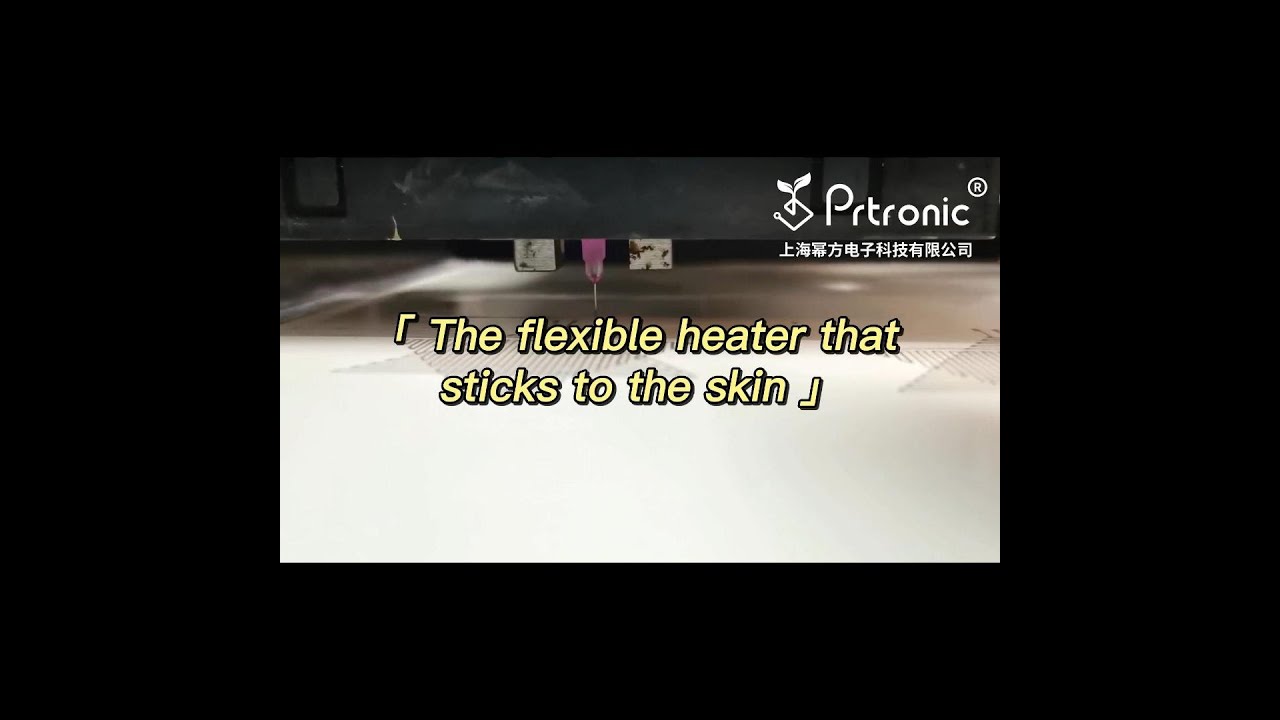
Flexible Heater Installation Tips: Get It Right the First Time!
When installing flexible heaters, attention to detail is paramount. Here are key tips to help ensure your installation goes smoothly:
1. Prepare Your Surface Properly
Before installing any type of flexible heater, ensure that the surface is clean and free from dust or contaminants. Use an appropriate cleaning solution if necessary; this will enhance adhesion and heat transfer efficiency.
2. Measure Twice, Cut Once
Take precise measurements before cutting any heating element to size. A common mistake is underestimating flexible heater advantages dimensions, leading to inefficient heating or equipment damage. Always double-check your measurements against your application requirements.
3. Ensure Even Distribution of Heat
When positioning multiple heating elements like mica thermofoil or polymide thermofoil heaters, ensure even spacing between units. Uneven distribution may lead to hot spots or insufficient heating in certain areas.
4. Use Appropriate Adhesives
Selecting the right adhesive is critical when securing flexible heaters onto surfaces. Ensure it can withstand the operating temperatures of your specific heater type without degrading over time.
5. Follow Electrical Guidelines
Never underestimate the importance of adhering to electrical specifications during installation. Always consult manufacturer guidelines regarding voltage limits and power ratings to avoid short circuits or overheating issues.
Common Installation Mistakes to Avoid
Knowing what not to do can be just as important as knowing what steps to take during installation.
1. Ignoring Manufacturer Instructions
Every heater comes with a user manual packed with vital information about installation practices specific to that model or type of heater (like thermosil). Ignoring these instructions may void warranties or lead to subpar performance.
2. Overlooking Heat Sink Requirements
For optimal heat dissipation, consider using heat sinks where necessary; failing to do so might result in overheating and potentially damage both the heater and surrounding components.
3. Skipping Testing Procedures After Installation
Always test your setup following completion; this ensures everything operates correctly before full-scale implementation begins—saving you time and headaches down the line!
FAQs About Flexible Heater Installation
Here are some frequently asked questions regarding flexible heater installations:
1. What types of surfaces can I install flexible heaters on?
You can install flexible heaters on metal, glass, ceramics, plastics, or composite materials after proper surface preparation has been done.
2. Do I need any special tools for installation?
Basic hand tools like scissors (for cutting) and adhesive applicators should suffice; however, a multimeter may help verify electrical connections post-installation.
3. How do I determine the best type of flexible heater for my application?
Evaluate factors like desired temperature range, flexibility requirements based on shape conformity needed within an application environment when choosing between options like mica thermofoil versus polymide thermofoils.

4. Can I use multiple types of flexible heaters in one system?
Yes! Many industries successfully integrate different types buy flexible heaters online based on specific operational needs; just ensure compatibility in terms of voltage levels across connected devices!
5. How often should I inspect installed flexible heaters?
Regular inspections every six months are recommended at minimum; this allows early detection of wear-and-tear signs before issues escalate into costly repairs/replacements later on!
6. What should I do if my flexible heater fails?
If you suspect failure due either physical damage or electrical malfunctions—immediately shut off power supply! Then contact customer support services provided by manufacturers along with having pertinent warranty documents ready for guidance through replacement procedures.
Conclusion: Make Every Installation Count!
Navigating the world of flexible heater installations might seem daunting at first glance but armed with knowledge about proper techniques makes all difference between success versus disaster! By adhering strictly outlined instructions while avoiding common pitfalls discussed here will elevate quality assurance standards across projects undertaken using these versatile heating solutions—from thermofoils through mica designs down even polymide versions—each plays pivotal role ensuring efficient operations well into foreseeable future endeavors undertaken alongside innovative technology flexible heater options advancements paving way forward exciting developments yet unfold within industry landscape ahead!